Building a Friendship Sloop
A guide to where and how a new Friendship Sloop can be built today — from historic plan archives to active Maine boatyards.
The Friendship Sloop Society exists to preserve and grow this most American of sailing traditions. Yet for decades, one question went unanswered: if you want a Friendship Sloop built new today, where do you start? The answer requires navigating archives, understanding a century of production history, and knowing which doors in coastal Maine are still open. This article lays out the complete picture.
The Design Question Comes First
Before a keel is laid or a mold is pulled, you need to decide: which Friendship Sloop do you want to build? The sizes span roughly 18 to 46 feet and encompasses dozens of documented designs, each with its own lineage. The two most common production designs — the ones with the deepest paper trail and the most existing boats to study — are:
The Pemaquid (25′) — designed and built by Abdon K. Carter of Bremen, Maine, around 1914. Howard Chapelle of the Smithsonian Institution recognized it as “the ultimate in the evolving design work done on the Friendship Sloop style.” LOA 25′, LWL 21′, Beam 8’8″, Draft 4’3″, Displacement 7,000 lbs., Sail area 432 sq. ft.
Pemaquid Sloops (25′) in the registry — 34 boats with photos in the registry
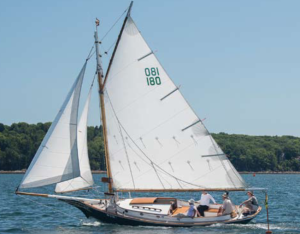 Banshee · FSS #180
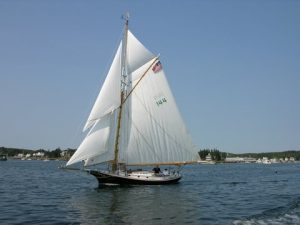 Petrel · FSS #144
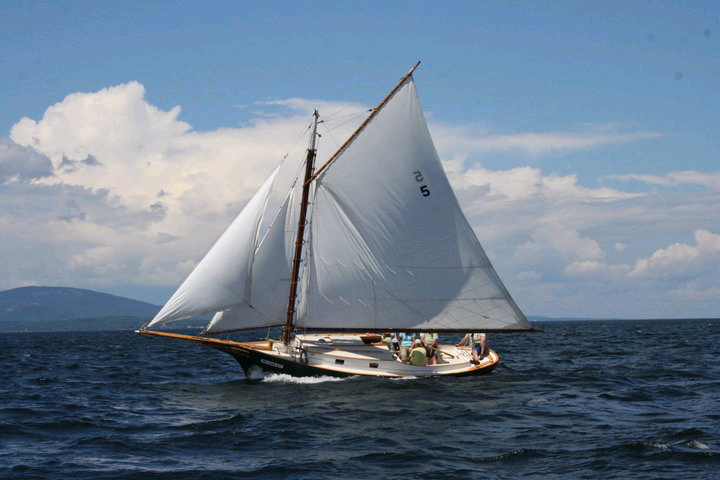 Content · FSS #5
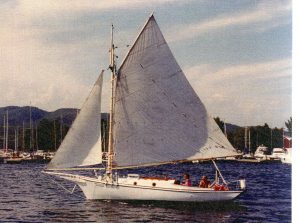 Tristan · FSS #267
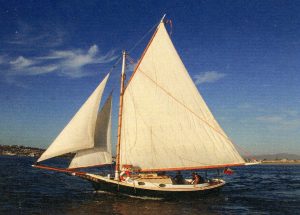 Maria Emilia · FSS #265
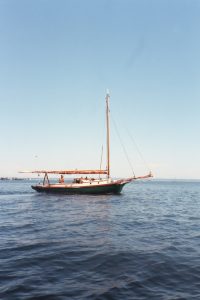 Remedy · FSS #274
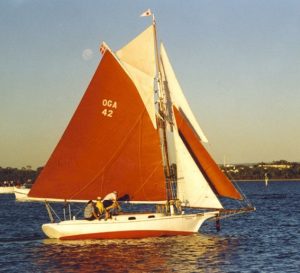 Prydwyn of Lamorna · FSS #268
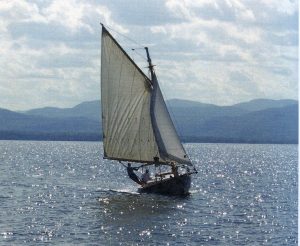 Baby Blue · FSS #249
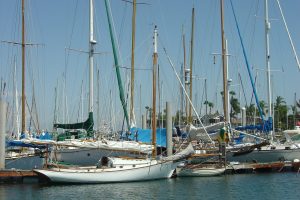 Genevieve · FSS #255
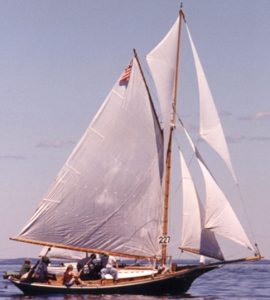 Celebration · FSS #227
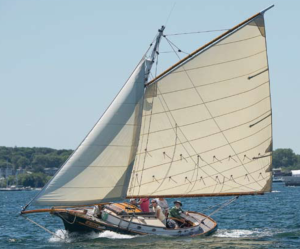 Hegira · FSS #230
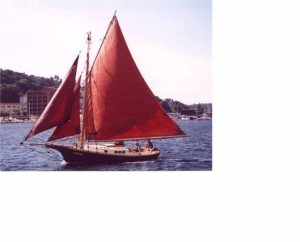 Amie · FSS #213
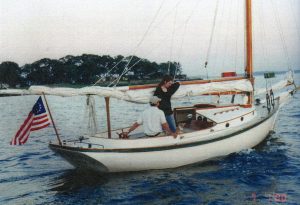 Serenity · FSS #183
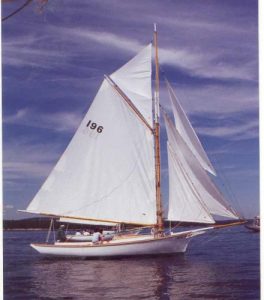 Endeavor · FSS #196
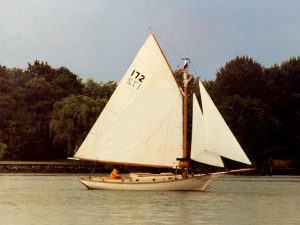 Amnesty · FSS #172
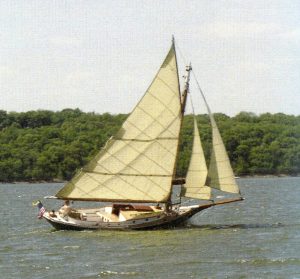 Nesaru · FSS #178
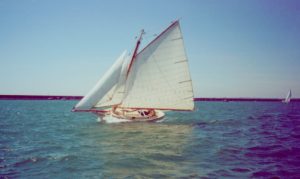 Sea Dog · FSS #141
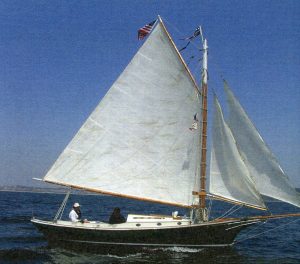 Fair American · FSS #143
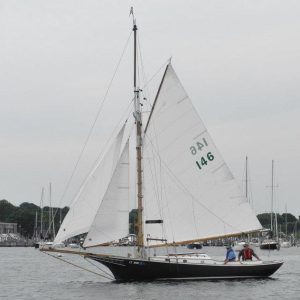 Fiddlehead · FSS #146
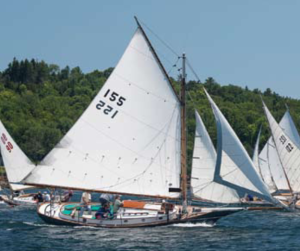 Queequeg · FSS #155
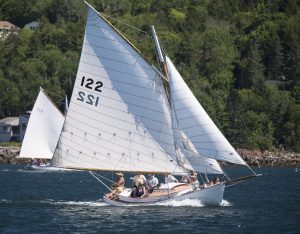 Ray of Hope · FSS #122
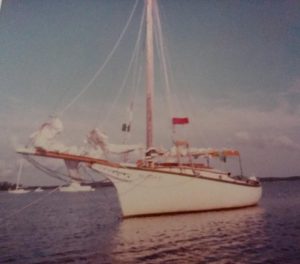 Gisela R · FSS #129
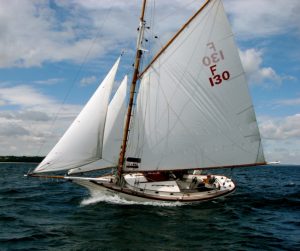 Narwhal · FSS #130
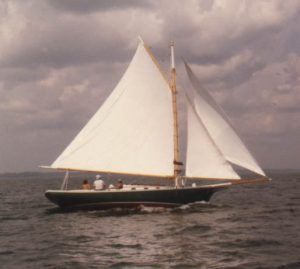 Osprey · FSS #139
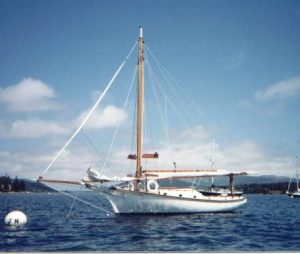 Solaster · FSS #103
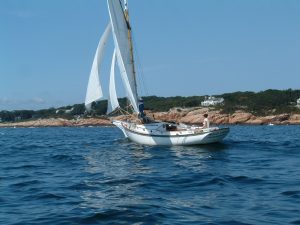 Hold Tight · FSS #106
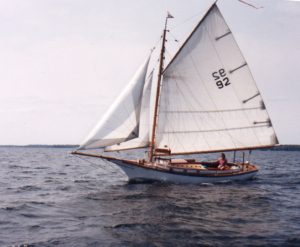 Joyce Elaine · FSS #92
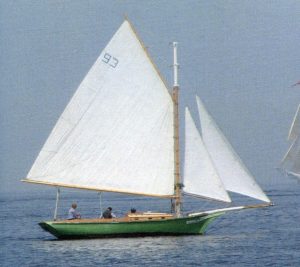 Anna R. · FSS #93
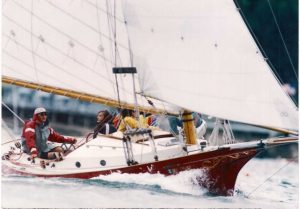 Salatia · FSS #90
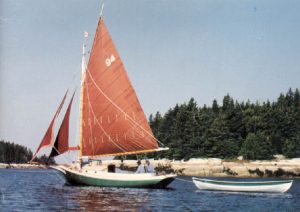 Tempest · FSS #94
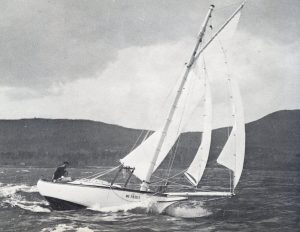 Windward · FSS #61
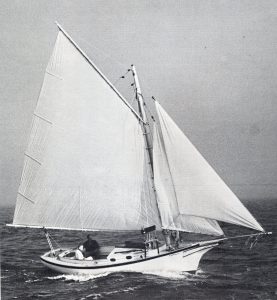 Old Baldy · FSS #57
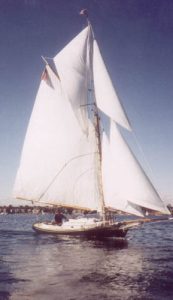 Tern · FSS #24
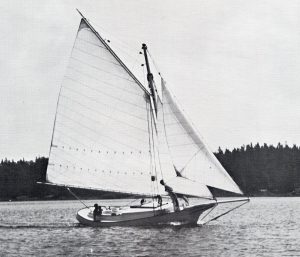 Ellie T. · FSS #22
The Dictator (31′) — based on the original Dictator of 1902 (FSS #2). LOA 30’10”, LWL 26′, Beam 10’8½”, Draft 5′, Displacement 17,500 lbs., Sail area 761 sq. ft. A serious offshore cruising boat.
Dictator II Sloops (31′) in the registry — 15 boats with photos in the registry
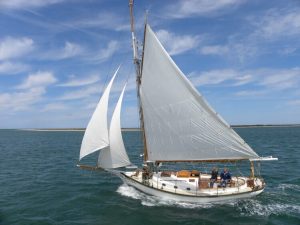 Endeavor · FSS #201
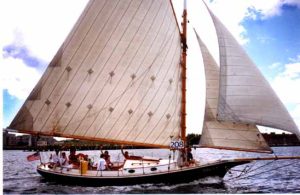 Ladybird · FSS #208
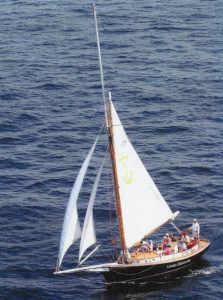 Resolute · FSS #171
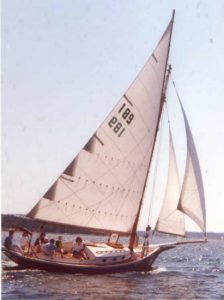 Tradition · FSS #189
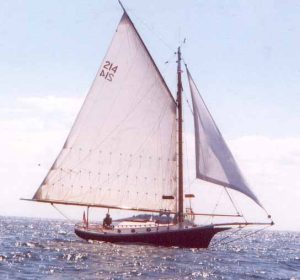 Gaivota · FSS #214
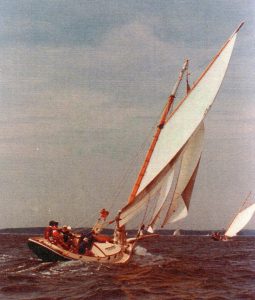 Arrival · FSS #202
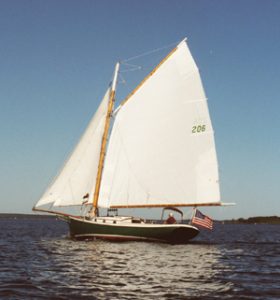 Kumatage · FSS #206
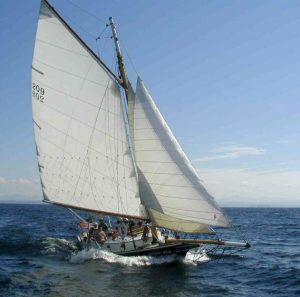 Friend Ship · FSS #209
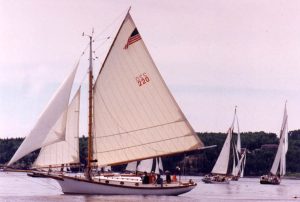 Sorceress · FSS #220
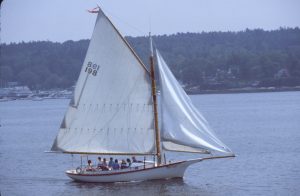 Bay Lady · FSS #198
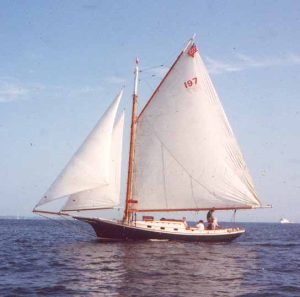 Natanya · FSS #197
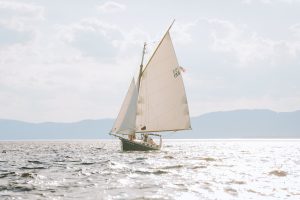 Wild Rose · FSS #199
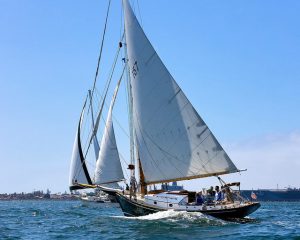 Liberty · FSS #157
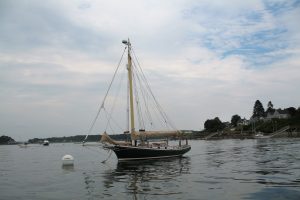 Linekin · FSS #145
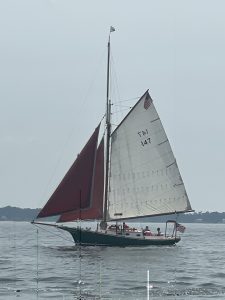 Mara E. · FSS #147
Both designs were produced in fiberglass by Jarvis Newman of Southwest Harbor — 18 Pemaquid hulls and 20 Dictator hulls over the course of his career. Both have been built in wood by multiple builders. Both are well-documented. They are the natural starting points for anyone commissioning a new build.
📚 Step One: The Plans Archive
Any builder working from scratch needs lines. The single most important repository of Friendship Sloop construction drawings in the world is the Maine Maritime Museum in Bath.
In 1992, FSS Membership Chairmen Al Zink and Bob Brooks compiled the following inventory of Friendship Sloop plans held at MMM — 35 sets ranging from an 1889 Muscongus Bay lobster smack to a Wooden Boat School build completed that same year. Named vessels include Ralph Stanley’s Dictator, Alden’s Spirit, Phillip Bolger’s Monhegan, R.D. “Pete” Culler’s Schoodic, and lines traced from Wilbur Morse originals.
Sloop Plans
Compiled 1992 by Al Zink & Bob Brooks — Maine Maritime Museum, Bath, Maine. Current status of individual plan sets is unknown; contact the library before visiting.
| F # | Length | Plan Description | Sheets | Accession # |
|---|---|---|---|---|
| 1 | 25′ | Pemaquid Group, Chappelle/Hanna — 1969 | 4 | G.91.14.2 |
| 2 | 29′ 8″ | SPIRIT, J.G. Alden — 1966 | 2 | G.87.78.1 |
| 3 | 30′ 6″ | Bruno-Stillman Group, Fiberglass, E. Spalding — 1969 | 7 | G.87.78.6 |
| 4 | 34′ 4″ | ESTELLA A, Mystic Seaport — 1975 | 3 | G.89.17.1 |
| 5 | 35′ | RITA II, R. Long — 1988 | 7 | G.90.88 |
| 6 | 30′ | Per Wilbur Morse model, W. Lash — 1959–1971 | 4 | G.90.27.2 |
| 7 | 21′ 10″ | Muscongus Bay Sloop, RANGER, D. Dillon — 1986 | 4 | MMM #RS11 |
| 8 | 22′ 4″ | Medomak I Group, M. Roth — 1965 | 5 | G.82.22 |
| 9 | 27′ | DOTTIE G, Eldredge-McInnis — 1963 | 4 | G.89.56.5 |
| 10 | 39′ 10″ | LIZZIE M, C. Morse — 1917 / Kingsley 1941 | 3 | G.89.56.6 |
| 11 | 22′ 1″ | Muscongus Bay Lobster Smack — 1889, Chapelle | 1 | G.89.56.3 |
| 12 | 37′ 6″ | Friendship Sloop — 1890, Measured 1930, Chapelle | 1 | G.89.17.1 |
| 13 | 28′ 6″ | Friendship Sloop — 1900, Chapelle | 1 | G.89.17.1 |
| 14 | 30′ | WILBUR A. MORSE — 1946, C. Simmons — 1961 | 2 | G.90.27 |
| 15 | 32′ | Friendship Sloop, C. Simmons — 1961 | 1 | G.90.27.4 |
| 16 | 33′ 8″ | Friendship Sloop (Scaled), copied by J.R. Stevens | 1 | G.90.27.8 |
| 17 | 35′ 6″ | RANGER, lines from wreck — 1937 | 1 | G.87.78.5 |
| 18 | 37′ 6″ | Friendship Sloop, A. Condon — 1931 | 1 | G.89.56.4 |
| 19 | 31′ | DICTATOR, lines R. Stanley — 1972 | 2 | G.90.27 |
| 20 | 37′ 3″ | RITA, Morse — 1908, lines W. Atkin — 1955 | 2 | G.90.27.5 |
| 21 | 25′ | Friendship Sloop, details, Chapelle / Sawyer | 1 | G.91.20.3 |
| 22 | 30′ 4″ | RED JACKET, R. Gardner — 1974 | 1 | G.91.20 |
| 23 | 25′ | FLORIDA, A.K. Carter, Chapelle — 1935 | 3 | G.89.17.1 |
| 24 | 22′ | DEFIANCE, Antonio Dias — 1976 | 2 | G.91.20.4 |
| 25 | 46′ | Friendship Sloop — 1902 | 1 | G.89.17.1 |
| 26 | 19′ 6″ | Ahern 19 Group, Fiberglass, Ahern — 1973 | 2 | G.85.84.2 |
| 27 | 21′ 8″ | Medomak II Group, Fiberglass, Ahern — 1973 / Passamaquoddy — 1969 | 2 | G.85.84.2 |
| 28 | 29′ 5″ | Friendship Sloop, F. Williams — 1936 | 1 | G.87.78.5 |
| 29 | 28′ | Friendship Sloop, F. Williams — 1931–1933 | 1 | G.91.81.1 |
| 30 | 31′ | DICTATOR II Group, J. Newman — 1973–1978 | 3 | G.91.125.1 |
| 31 | 25′ | SCHOODIC, P. Culler — 1967 | 4 | G.87.78.3 |
| 32 | 29′ | BELFORD GRAY, Wooden Boat School — 1992 | — | — |
| 33 | 18′ | MONHEGAN, For IABBS, P. Bolger — 1970 | 6 | G.91.81.2 |
| 34 | 32′ | Party Sloop, M.G. Peterson — 1955 | 3 | G.91.125.2 |
| 35 | 28′ | Friendship Sloop, P.J. Nichols — 1964 | 1 | G.92 |
Maine Maritime Museum — Nathan R. Lipfert Research Library
243 Washington Street, Bath, ME 04530
Hours: Tuesday and Thursday, 9:30 a.m.–3:00 p.m.
Phone: 207-443-1316 x 336 | Email: library@maritimeme.org
Research copies: $0.50/page · High-quality archival scans: $10/image
For the Dictator design specifically, the Southwest Harbor Public Library holds a digitized set of the Jarvis Newman 31′ Dictator plans in its free online archive at swhpl.digitalarchive.us — a good free starting point before contacting MMM.
The Three Paths to a New Friendship Sloop
🪵 Path One: Commission a Custom Wood Build
The most traditional route — and for many, the most satisfying — is commissioning a new wooden Friendship Sloop from one of Maine’s established custom yards. No single yard currently advertises Friendship Sloops as a production specialty, but several have the skills, lofting capability, and familiarity with traditional Maine working-boat forms to take on such a project.
Yards worth approaching directly:
- Brooklin Boat Yard, Brooklin, Maine — Maine’s premier custom wooden yacht builder since 1960, outstanding reputation for traditional construction and finish.
- Artisan Boatworks, Rockport, Maine — master craftsmen building fine wooden boats to 60′.
- Cottrell Boatbuilding, Maine — custom wooden work, currently active on historic-origins projects.
When approaching any yard, come with a design decision already made and a set of plans in hand — or be prepared to commission a naval architect. A builder will give you a far more useful estimate when you arrive with lines rather than a general idea.
Designs by Phillip Bolger and R.D. “Pete” Culler, both represented in the MMM archive, have been built from plans available through WoodenBoat Publications. The FSS membership is the best network for connecting with designers who have worked specifically with Friendship Sloop proportions.
⛵ Path Two: The Fiberglass Route — The Newman Legacy
From the late 1960s through the early 2000s, Jarvis Newman of Southwest Harbor was the primary source for new fiberglass Friendship Sloops. Working from a mold he pulled from a 25′ wooden sloop called “Old Baldy” — built by Rockefeller at Bald Mountain Boat Works in Camden — Newman produced one-piece fiberglass hull and deck assemblies of extraordinary quality. His Pemaquid 25 molds yielded 18 hulls; his Dictator 31 molds yielded 20.
Jarvis Newman passed away in 2019. His production yard in Southwest Harbor is no longer building boats. However, the Newman family remains deeply present in the Downeast boatbuilding world. Newman Marine Brokerage, now run by Kathe Newman Walton (who grew up sailing the family’s own Friendship Sloop, Dictator), specializes in Friendship Sloops and Downeast vessels and is the most direct contact for anyone asking about the current status of the Newman molds.
Newman Marine Brokerage
Southwest Harbor, Maine 04679 · 207-244-3860
Newman & Gray Boatyard — co-founded by Jarvis Newman and Ed Gray, now continuing under the Gray family — is also worth a call for anyone with questions about Newman-built hulls.
A second fiberglass production line ran in parallel with Newman’s work. Bruno & Stillman Yacht Company, Inc. of Newington, New Hampshire produced 19 fiberglass Friendship Sloops from a design by naval architects Marbridge Associates, marketed as The Friendship 30. At LOA 42’/LOD 30’6″, beam 10′, draft 4’6″ — 12,500 lbs displacement with a full rig approaching 860 square feet — the Bruno & Stillman boat was a substantially larger cruising vessel than the Newman Pemaquid. The base price in September 1970 was $21,999. The last documented hull was completed in 1973; Bruno & Stillman subsequently shifted to commercial fishing vessels and closed entirely. The Friendship 30 molds were not transferred with the pleasure-boat program and are believed lost.
A note for the serious buyer: No yard is currently known to be producing new Friendship Sloop hulls from production molds. The Newman molds are the only known surviving tooling for this type; their current location and condition is worth investigating directly through Newman Marine Brokerage. If intact and accessible, building even a single hull from them can be competitive with custom wood construction.
🔧 Path Three: Build One Yourself — The Schools
For the buyer who wants to be the builder — or who wants to deeply understand what they’re commissioning — Maine’s boatbuilding schools offer programs that can take someone from no experience to a launched boat.
The Apprenticeshop, Rockland, Maine
Founded in 1972 within the Maine Maritime Museum complex in Bath, later relocated to the Rockland waterfront. Runs a 12-week intensive boatbuilding course and a 2-year apprenticeship program, both with no prior experience required. For someone serious about understanding a Friendship Sloop from the keel up, the 2-year program is the most thorough preparation available.
WoodenBoat School, Brooklin, Maine
Founded in 1981 on the campus of WoodenBoat magazine. More than 100 courses per season covering construction, maintenance, seamanship, and design. A Friendship Sloop (Belford Gray, 29′) was built there in 1992 and is documented in the MMM plan archive. Course schedules change annually — contact them directly about current Friendship Sloop project availability.
The Landing School of Boatbuilding and Design, Arundel, Maine
The oldest accredited boatbuilding school in the United States, founded in 1978. Offers a 9-month accredited program in Wooden Boatbuilding covering lofting, planking, fairing, outfitting, and sea trials — all skills directly applicable to a traditional Friendship Sloop build.
What Ralph Stanley Knew
No article about building a Friendship Sloop can pass over Ralph Stanley without acknowledgment. For five decades, Stanley’s yard in Southwest Harbor was the living continuation of the original Maine boatbuilding tradition. A National Heritage Fellow, Stanley built or restored more than 70 boats using methods dating to the colonial era. He built his own Dictator-design sloops, consulted on the 2018 restoration of the 1900 Wilbur Morse sloop Blackjack (now on the National Register of Historic Places), and embodied knowledge that no plan set can fully capture.
Ralph Stanley passed away on December 7, 2021, at age 92. What remains of his knowledge lives in the community of builders he influenced — many of whom are still working on the Maine coast, and many of whom are known to this Society.
⚓ Your First Call Should Be to the Society
The Friendship Sloop Society is not simply a racing association — it is a living network of owners, builders, restorers, and historians who collectively hold more practical knowledge about these boats than any other single resource. Before approaching a yard, a school, or a museum archive, contact the Society. Members can tell you which boats are currently being built, which builders have done this work recently, and which ones understand Friendship Sloop proportions from the inside out.
The annual Homecoming Races in Friendship, Maine every summer bring together the full range of the type in one anchorage: original wood boats, Newman fiberglass, custom builds old and new. Spending a day there before committing to a build path will teach you more than any brochure.
These boats were built to work and to last. There is no reason a new one cannot be sailing in ten years — the plans exist, the skills exist, and the tradition is very much alive.
Primary Sources
- Jarvis Newman — Pemaquid 25 in Fiberglass (early technical brochure)
- Jarvis Newman — “You Will Never Find Another Boat Like Maine’s Timeless Friendship Sloop”
- Morris Yacht Builders — Pemaquid 25 Friendship Sloop
- Jarvis Newman — 31′ Friendship Sloop “Dictator” Model (sail plan & accommodations)
- Jarvis Newman — Yacht Builder catalog (hull restorations, classic Friendship Sloop)
- Bruno & Stillman Yacht Company — The Friendship 30 (fiberglass construction & 1970 price list)
- FSS Handbook (1992 edition) — “Sloop Plans,” compiled by Al Zink and Bob Brooks
- Maine Maritime Museum Nathan R. Lipfert Research Library, Bath, Maine
- Southwest Harbor Public Library Digital Archive
- Mount Desert Islander — “Newman’s Legacy, and His Boats, Will Sail On”
- Bangor Daily News — “Ralph Stanley, nationally renowned Southwest Harbor boat builder, dies at 92,” December 16, 2021
Web research current as of 2026.