Marlinspike Seamanship
By Ted Walsh
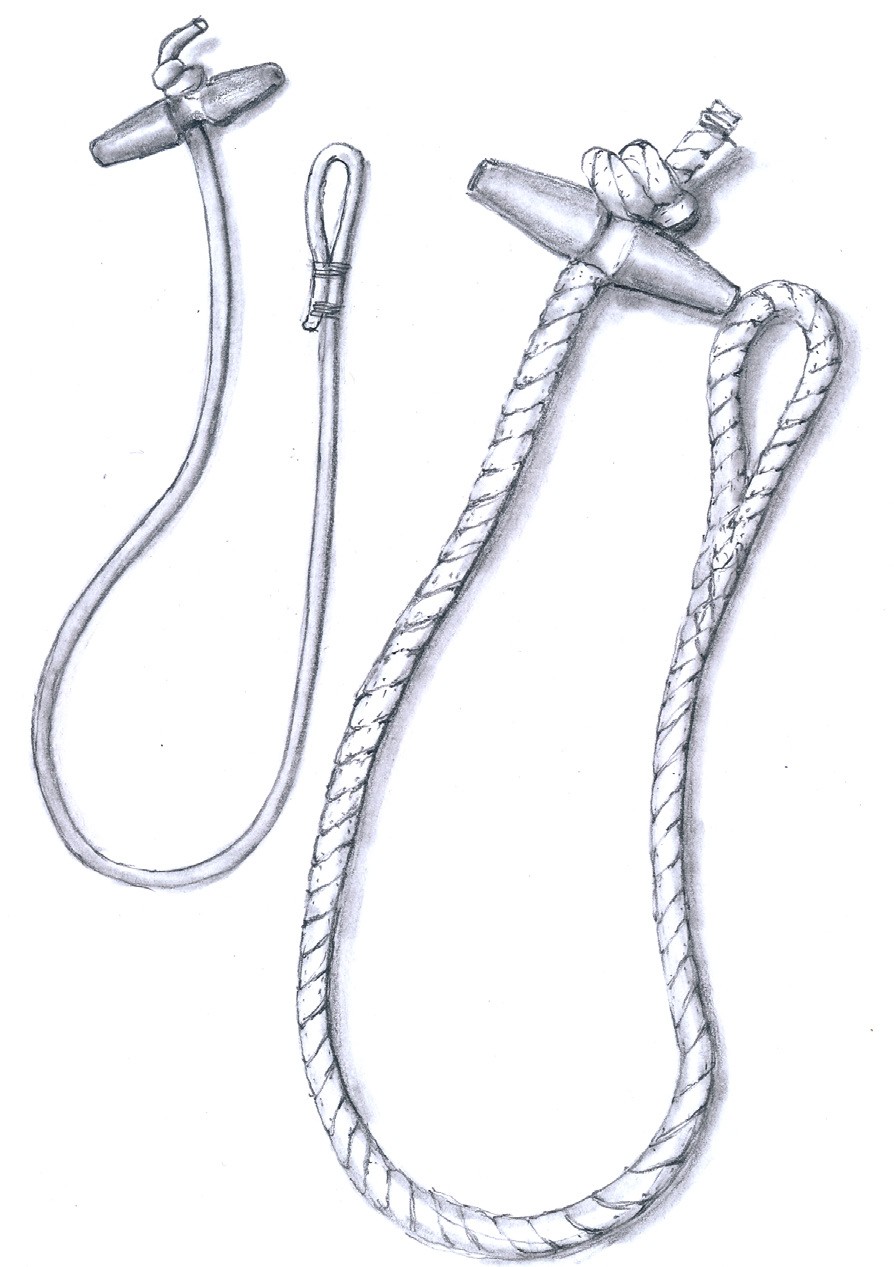
Toggles and rope beckets
Rope beckets are a technology leftover from another time, a time
before Velcro and, dare I say it, duct tape. Still, the rope becket with an
eye splice on one end and a toggle or stopper knot on the other is a simple
piece of gear, easily made, and with a myriad of uses.
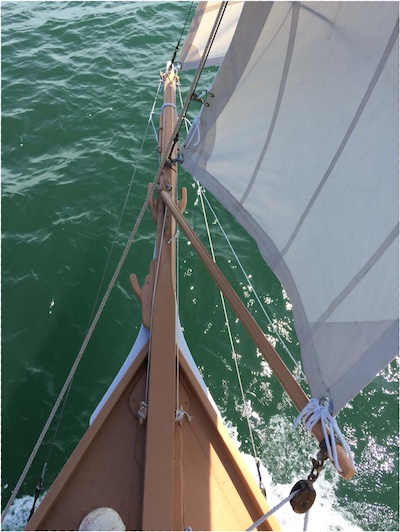
We use a becket to contain the sail of our sailing launch when it has
been brailed up, another to lock the centerboard in the up position when
beaching or loading and unloading the boat from her trailer.
Stopper knots
were covered sev
eral issues back, so
let’s look at toggles.
A toggle can be
made using sophis
ticated tools like
drill press and lathe,
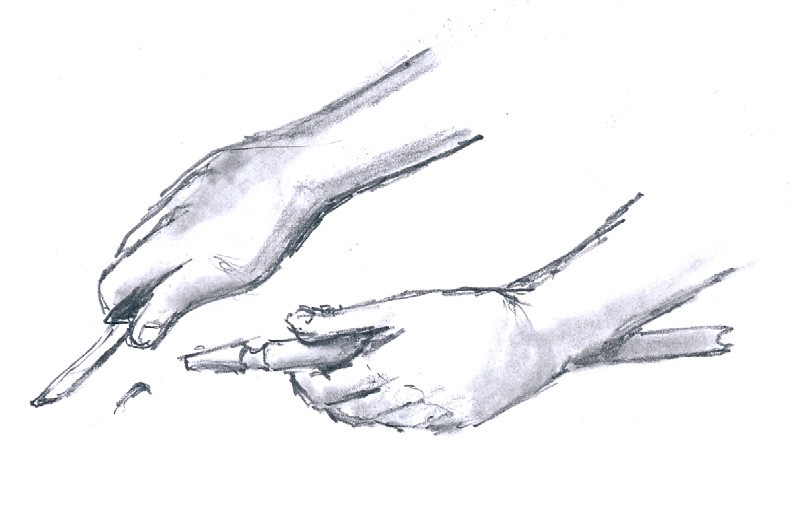
but you can just as easily whip one out with a pocketknife and hand drill.
The second method is faster and would be
more appropriate where you might have to peri
odically remove the toggle, for example to run
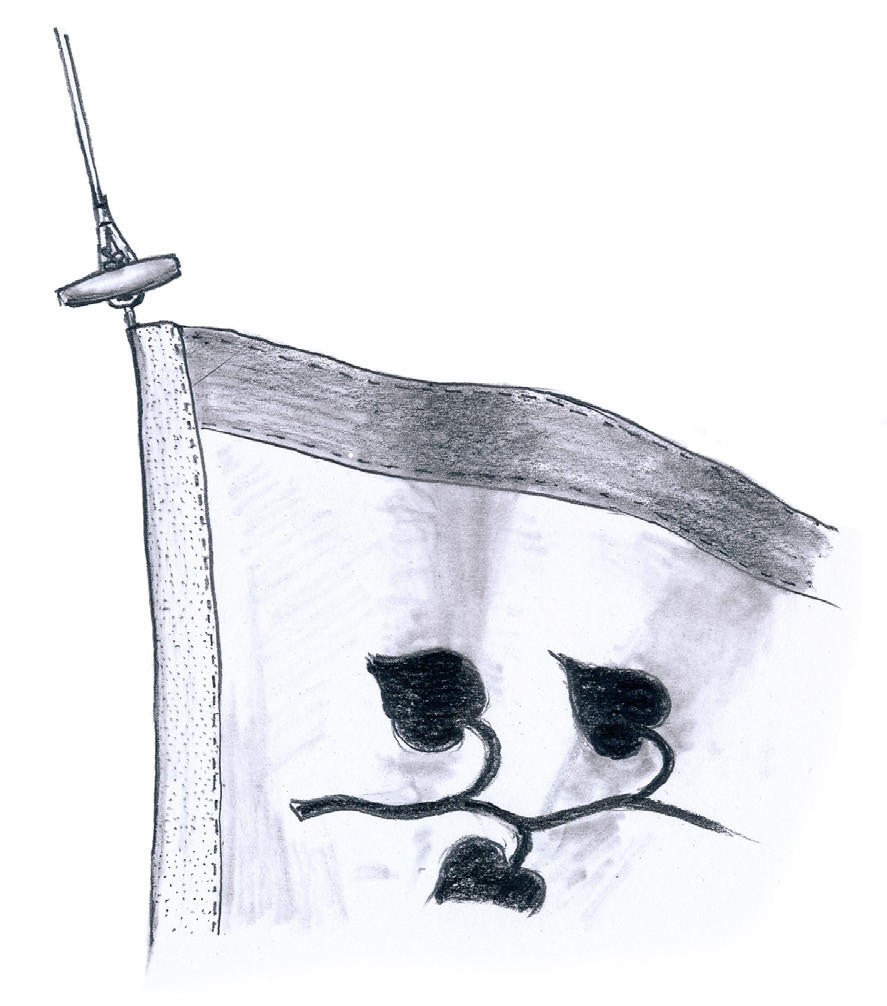
the becket through a fairlead or block. We use
this method on our flag halyards, which have a
toggle on one end and eye-splice on the other and
have to be un-rove through masthead blocks each
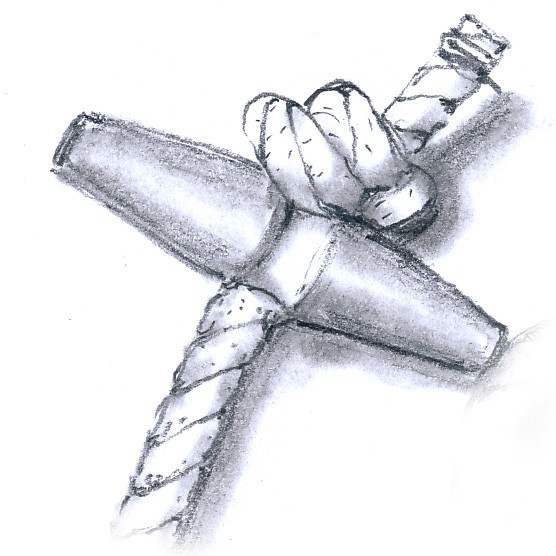
fall and re-rove each spring. A hole is drilled in
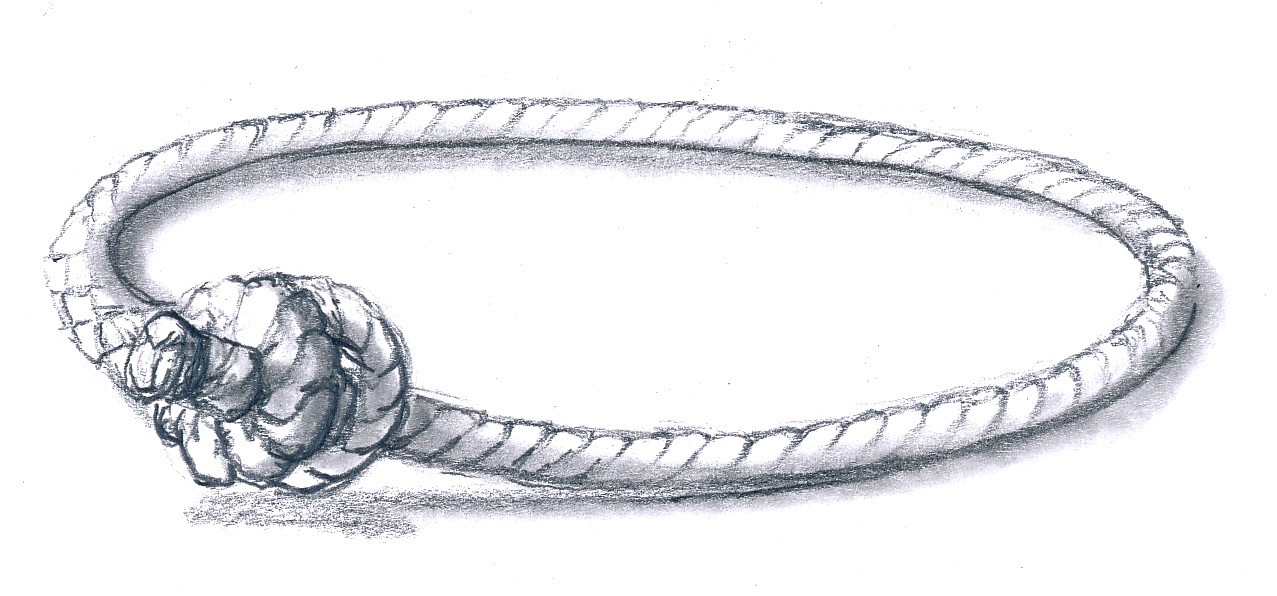
the center of the toggle and the bitter end of the
line passes through the hole with a simple over
hand knot to finish.
There is a third method to secure a toggle in
volving two holes in the toggle, but its more of a
decorative touch and weakens the toggle signifi
cantly since there are two holes in line with the
grain of the wood.
If you need a quick review of the eyesplice,
check out the last issue of the newsletter on line.
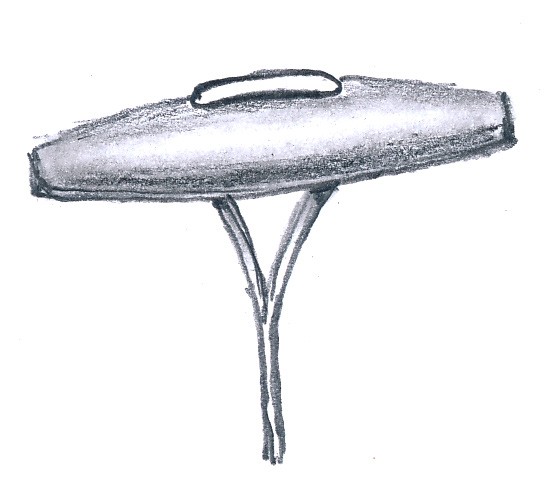
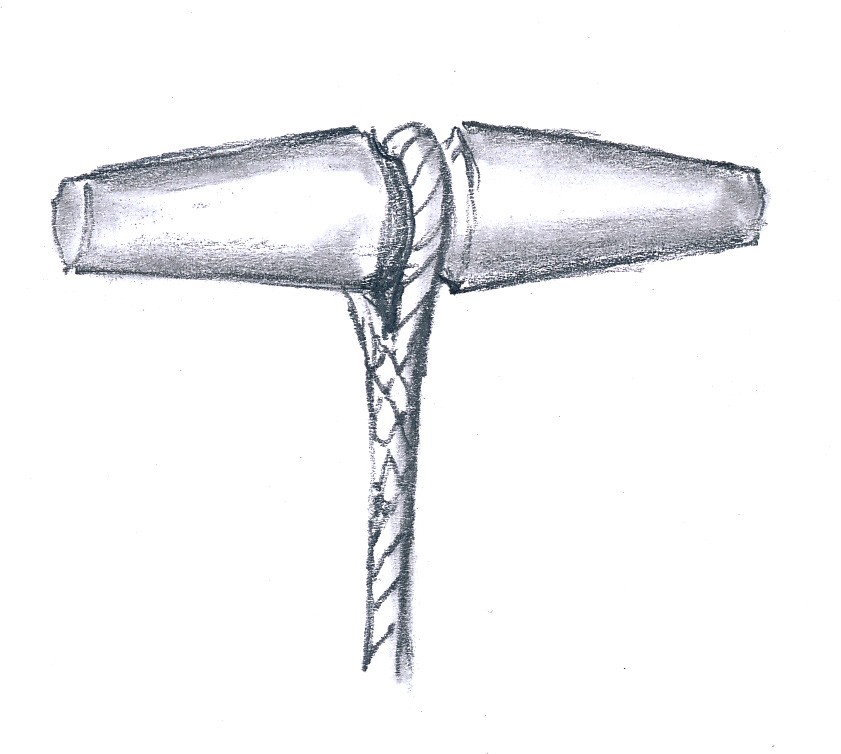
There are two ways to attach the toggle to the
becket or line. The first involves a second eye
splice tied tightly around the groove in the toggle.
This looks nice and works if what you are mak
ing is a short becket to slip around a dock line, for
example, in order to make it easier to stow.